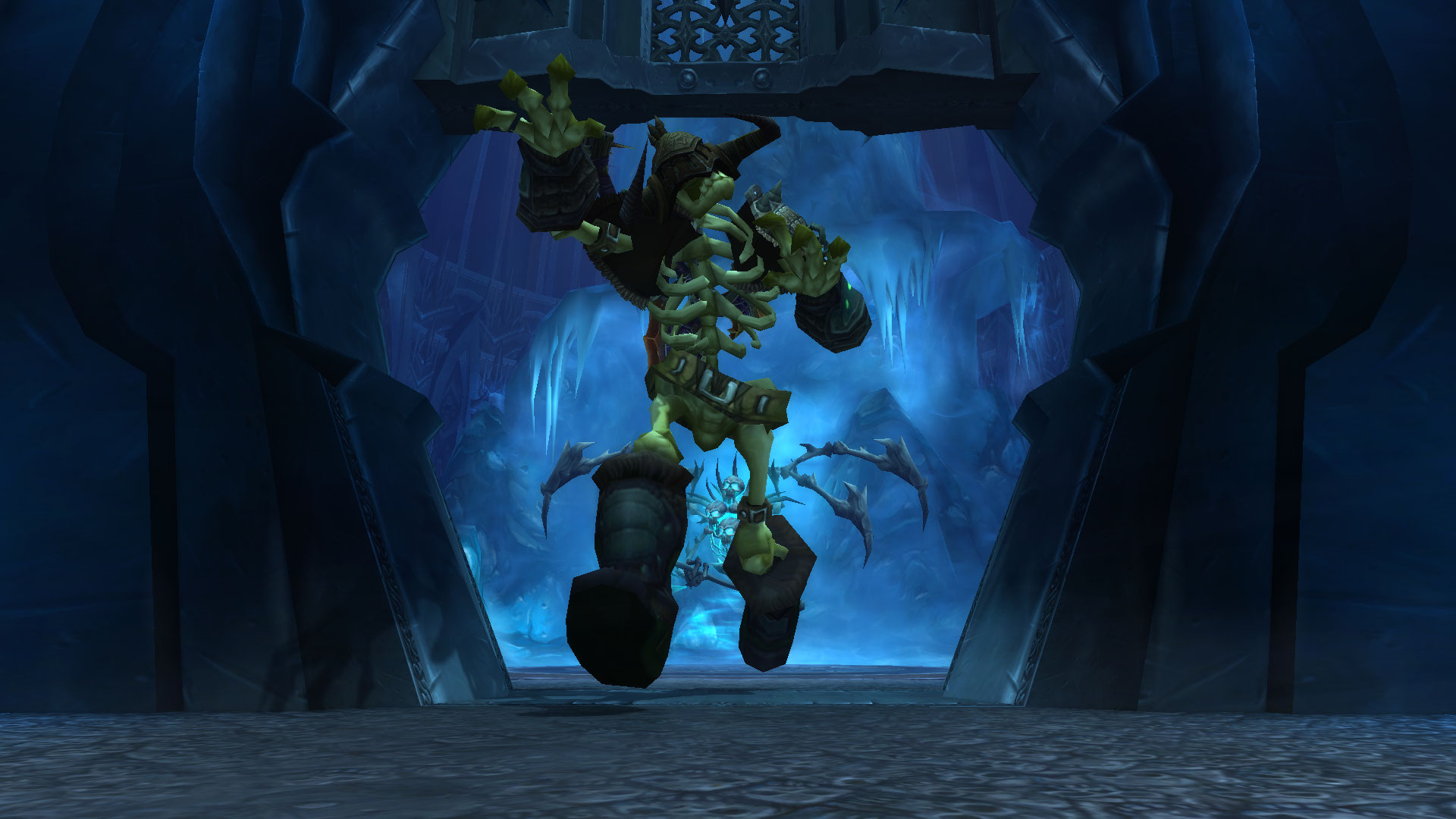
Tanking Prince Keleseth during the Blood Prince Council encounter in World of Warcraft requires a strategic approach, particularly when it comes to managing Shadow Resistance buffs. This guide delves into the mechanics of the encounter, the importance of Shadow Resistance, and effective tank swap strategies to ensure a successful fight. Understanding these elements will enhance your raid’s performance and survivability against Keleseth’s powerful shadow magic attacks.

What are the key stats for tanking Prince Keleseth effectively?
The key stats for tanking Prince Keleseth include high Shadow Resistance, stamina, and avoidance metrics to mitigate damage from his shadow abilities.
When preparing for the encounter, it’s crucial to analyze the tank’s stats to ensure they can withstand Keleseth’s shadow damage. The following table summarizes the essential metrics for effective tanking, including Shadow Resistance, stamina, and avoidance percentages. These metrics will help you gauge the tank’s survivability and overall effectiveness during the fight.
| Shadow Resistance | Stamina | Block Chance | Dodge Chance |
|---|---|---|---|
| 200+ | 30,000+ | 20% | 15% |
| 250+ | 32,000+ | 25% | 20% |
| 300+ | 35,000+ | 30% | 25% |
How does Shadow Resistance affect tanking Prince Keleseth?
Shadow Resistance significantly reduces the damage taken from Keleseth’s shadow-based abilities, making it crucial for tanks during the encounter.
Prince Keleseth’s primary attack, Shadow Spike, deals substantial shadow damage and can be devastating without adequate Shadow Resistance. The mechanics of Shadow Resistance dictate that each point reduces the incoming shadow damage by a percentage, thus enhancing the tank’s survivability. For example, with 300 Shadow Resistance, a tank could potentially reduce the damage taken from Shadow Spike by up to 30%, which is vital for maintaining health during the encounter. Additionally, Keleseth’s ability to apply a debuff that amplifies shadow damage taken necessitates a proactive approach to managing Shadow Resistance buffs.
To maximize the effectiveness of Shadow Resistance, tanks should utilize consumables such as Elixirs of Shadow Resistance and gear enchanted with Shadow Resistance bonuses. Furthermore, coordinating with healers to ensure timely dispels of the debuff can significantly mitigate damage spikes. Understanding the damage thresholds and timing of Keleseth’s abilities is essential for optimizing tank performance. For example, if a tank is at 50% health when Keleseth casts Shadow Spike, the incoming damage could be lethal without proper buffs and cooldowns.
What are the steps for executing a successful tank swap during the encounter?
Executing a successful tank swap involves precise timing and coordination to manage Keleseth’s debuffs and maintain high Shadow Resistance.
To effectively tank Prince Keleseth, a well-timed tank swap is essential to manage the increasing damage from his shadow abilities. The first step is to ensure that the primary tank has sufficient Shadow Resistance and is prepared to absorb the initial damage. As Keleseth applies his debuff, the secondary tank should be ready to take over once the primary tank’s health drops below a predetermined threshold, typically around 50%. This proactive approach helps prevent the primary tank from being overwhelmed by damage.
- Monitor the primary tank’s health closely and communicate when to initiate the swap.
- Ensure the secondary tank has active Shadow Resistance buffs before engaging.
- Execute the swap as soon as the primary tank receives the debuff to minimize damage taken.
- Use cooldowns effectively during the transition to absorb incoming hits.
What are the critical parameters for maximizing tank survivability against Keleseth?
Maximizing tank survivability against Keleseth requires a combination of high Shadow Resistance, effective cooldown management, and precise timing during tank swaps.
Critical parameters for tank survivability include maintaining high Shadow Resistance, using defensive cooldowns strategically, and ensuring proper positioning during the encounter. Tanks should prioritize gear that enhances their Shadow Resistance while also providing stamina and avoidance stats. Additionally, utilizing cooldowns such as Shield Wall or Divine Protection at key moments can significantly reduce damage taken during critical phases of the fight. Timing these cooldowns to coincide with Keleseth’s most potent abilities is essential for maximizing their effectiveness.
Furthermore, positioning is crucial; tanks should ensure they are facing Keleseth to avoid unnecessary damage from his abilities. Effective communication with the raid team is vital to coordinate cooldowns and tank swaps. For instance, if the primary tank is about to receive a significant hit, the secondary tank should be ready to take over immediately. This proactive approach not only preserves the tank’s health but also ensures that the raid remains stable throughout the encounter.

What troubleshooting steps should be taken if a tank fails to survive against Keleseth?
If a tank fails to survive against Keleseth, review Shadow Resistance levels, cooldown usage, and debuff management to identify weaknesses.
In the event that a tank falls during the encounter, it is crucial to analyze the factors that contributed to the failure. Begin by reviewing the tank’s Shadow Resistance levels to ensure they meet the required thresholds. If the tank’s resistance is low, consider adjusting gear, utilizing consumables, or enhancing buffs from the raid. Additionally, evaluate cooldown usage; if defensive abilities were not activated at critical moments, this could indicate a need for better communication or awareness within the raid team.
Furthermore, assess the timing of tank swaps and the management of Keleseth’s debuffs. If the swap occurred too late or if the secondary tank was unprepared, this could lead to a rapid health decline. Implementing a more structured approach to communication and timing can help prevent similar issues in future attempts. Finally, consider conducting a post-fight analysis to identify patterns or recurring issues that may need addressing to improve overall tank survivability.
What future trends should tanks consider for scaling their performance against Keleseth?
Tanks should consider future trends in gear optimization, raid composition, and the evolving mechanics of encounters to scale their performance against Keleseth.

As the game evolves, tanks must stay informed about new gear options that enhance Shadow Resistance and overall survivability. Future expansions may introduce items or sets specifically designed to counter shadow damage, making it essential for tanks to adapt their gear choices accordingly. Additionally, understanding the dynamics of raid composition can provide insights into how to maximize buffs and support from other classes, such as shadow priests or warlocks, who can provide additional resistance or healing.
Moreover, keeping abreast of changes in encounter mechanics is vital for long-term success. As developers adjust boss abilities and damage outputs, tanks must be prepared to adapt their strategies and gear. Engaging with the community through forums and guides can help identify emerging trends and strategies that can enhance performance. Ultimately, a proactive approach to gear optimization, raid synergy, and encounter mechanics will ensure that tanks remain effective against Keleseth and other challenging bosses in the future.