
You’ve journeyed through Azeroth since 2004, starting with the classic Vanilla World of Warcraft. Over the years, expansions unfolded like chapters in an epic saga, each introducing new continents, characters, and stories. From the depths of the Cataclyms to the shores of Pandaria, and the fierce battles of the Legion to the turmoil of the Battle for Azeroth, you’ve witnessed the evolution of gameplay, graphics, and mechanics. Now, with Dragonflight, you’re soaring to new heights, exploring dragon riding, new zones, and revamped systems. As you’ve grown with the game, so has Azeroth. Beyond this point, Azeroth’s future awaits, filled with more adventures and secrets to uncover.
Key Takeaways
- Launched in 2004, Vanilla WoW set the stage with Stormwind City and the Alliance vs. Horde conflict.
- Between 2007-2010, expansions introduced new continents, deepened lore, and added game currency for abilities and gear.
- From 2012-2016, new worlds like Pandaria and Draenor were explored, with innovations like garrison management and Mythic dungeons.
- The period of 2016-2020 saw expansions like ‘Legion’ and ‘Battle for Azeroth’, featuring major updates and class redesigns.
- ‘Dragonflight’ introduced Dragon Riding, diverse new zones, enhanced customization, an overhauled crafting system, and improved social features.
The Origins: Vanilla WoW
Launched in 2004, World of Warcraft initially captivated players with its expansive, uncharted universe known simply as Vanilla WoW. Developed by Blizzard Entertainment, this groundbreaking MMORPG set the stage for a saga that would enthrall gamers for years to come. You’d find yourself immersed in the aftermath of Warcraft III: The Frozen Throne, exploring a world teeming with the remnants of human kingdoms, the burgeoning Alliance and Horde, and the looming shadow of the Tides of Darkness.
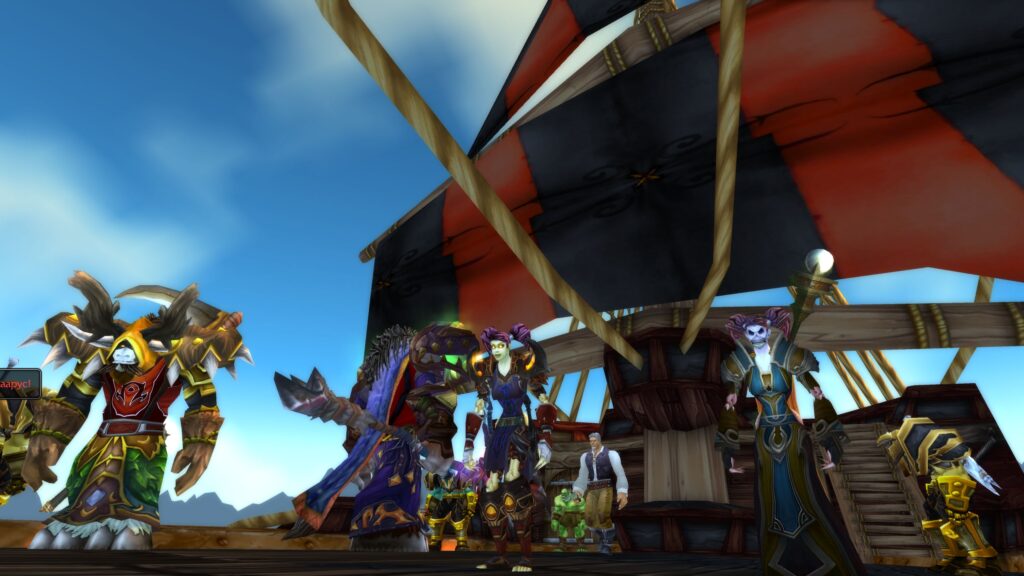
Central to your adventures was Stormwind City, the capital city of the human kingdom and a pivotal location in the Alliance’s efforts to combat the Horde. This era of WoW was characterized by its simplicity and depth, offering a pure, undiluted experience that laid the groundwork for all future expansions.
In Vanilla WoW, the conflict between the Alliance and Horde was more than just background lore; it was an integral part of your daily quests, shaping your interactions and your journey through Azeroth. Blizzard Entertainment meticulously crafted a world where every dungeon crawl, raid, and PvP battle felt like a chapter in a larger epic, with Stormwind City serving as a bustling hub for heroes of all kinds.
Expanding Azeroth: 2007-2010
Building on the solid foundation laid by Vanilla WoW, the period between 2007 and 2010 introduced expansions that significantly expanded the world of Azeroth for players. You witnessed the revealing of new continents and the deepening lore that brought places like Kul Tiras into sharper focus. Activision Blizzard, the powerhouse behind the game, pushed the envelope of MMORPGs, ensuring you had a world that felt ever-evolving and immersive.
During this era, game currency became a pivotal part of your adventure, enabling you to access new abilities and acquire gear that would prepare you for the challenges ahead. It wasn’t just about gathering; it was about strategizing your way through Azeroth, making each piece of gold count as you journeyed through new quests and dungeons.
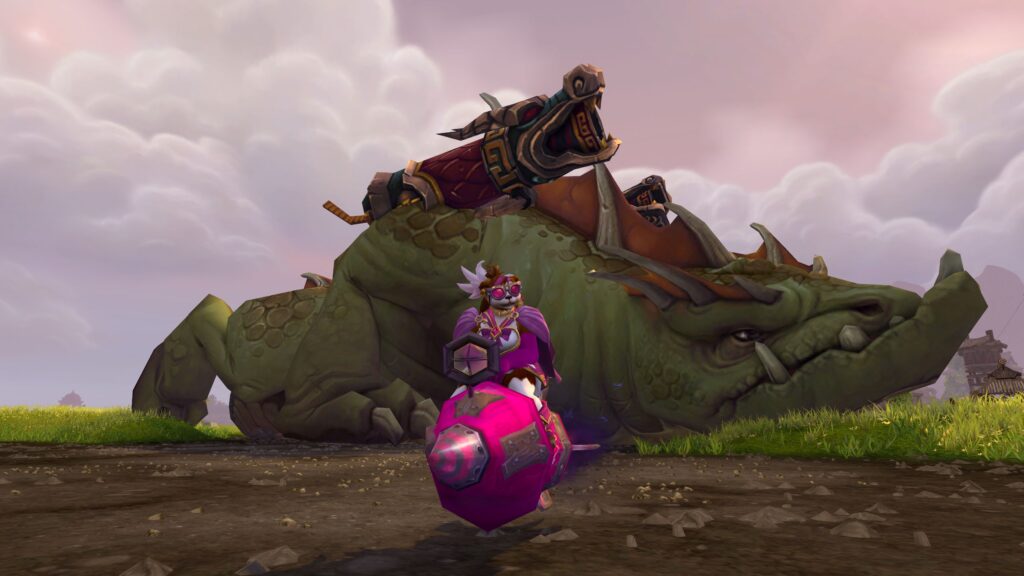
The introduction of the Iron Horde presented a unique challenge, testing your mettle in ways Vanilla WoW hadn’t. You had to adapt to new strategies and collaborate more closely with your allies to overcome the threats they posed. Activision Blizzard made sure you felt the weight of each battle, understanding that your actions had a significant impact on the world of Azeroth.
This era was a proof of the game’s ability to grow with its audience, providing you with richer stories, complex challenges, and a deeper connection to the vast world of Azeroth.
New Horizons: 2012-2016
Between 2012 and 2016, World of Warcraft undertook an era of unprecedented expansion, introducing you to new worlds beyond Azeroth’s familiar borders. This period kicked off with “Mists of Pandaria” in 2012, inviting you to explore the mystical lands of Pandaria, a continent shrouded in fog and mystery, home to the peaceful Pandaren and their ancient ways. You’d learn to navigate the complex relationships between the Alliance and Horde, which were further strained amidst the serene beauty and hidden dangers of this new land.
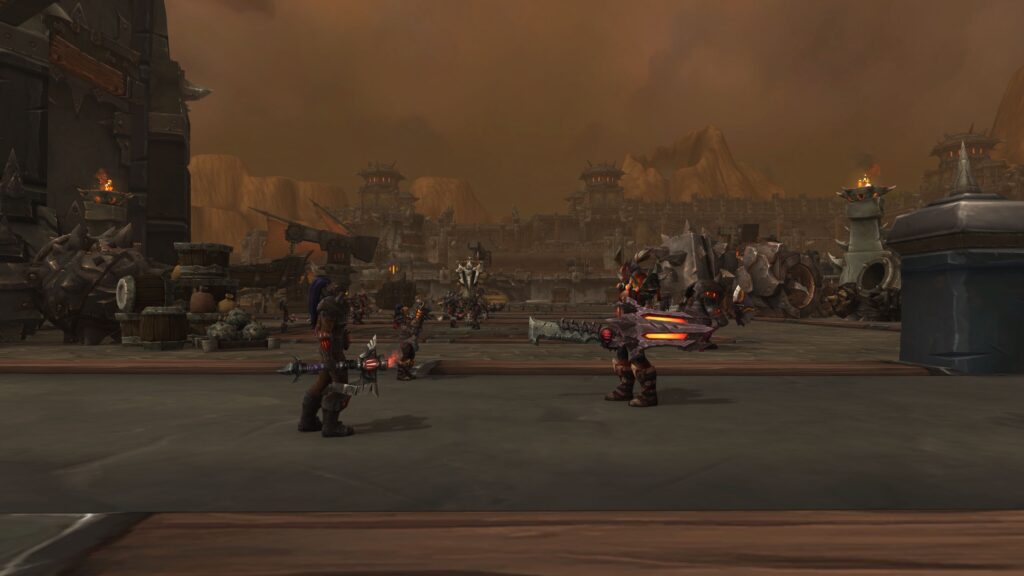
Then, in 2014, “Warlords of Draenor” hurled you back in time to a pivotal moment in Draenor’s history, the homeworld of the Orcs before its catastrophic transformation into Outland. This expansion wasn’t just about exploring Draenor’s past; it was about shaping its future. You’d build and manage your Garrison, a personal fortress, recruiting followers to tackle missions and gather resources. The introduction of Mythic difficulty for dungeons provided a new challenge, ensuring you had to master your skills and strategize with your team to succeed.
Throughout these years, you’d witness significant changes in gameplay mechanics, class rebalancing, and the introduction of new races and classes. The game’s graphics and interface saw improvements, enhancing your immersion and interaction with the world of Warcraft.
Uncharted Territories: 2016-2020
As we progress in time, 2016 marked the beginning of an era filled with explorations into previously unseen territories in World of Warcraft’s saga. This period, stretching from 2016 to 2020, introduced players to expansions that pushed the boundaries of Azeroth and beyond.
First up was ‘Legion,’ launched in 2016, where you’d find yourself defending Azeroth against the Burning Legion’s most ferocious assault yet. It was here that the Broken Isles became your battlefield, offering a rich tapestry of new quests, dungeons, and raids. You’d also experience the introduction of the Demon Hunter class, wielding the very power of the demons you sought to destroy.
Moving on to 2018, ‘Battle for Azeroth’ thrust you into the heart of a renewed conflict between the Alliance and the Horde. This expansion explored new continents—Kul Tiras for the Alliance and Zandalar for the Horde. You’d explore warfronts, participate in island expeditions, and navigate the treacherous waters of Azerite power struggles.
Throughout these years, the game saw significant updates and quality-of-life improvements, including system overhauls, class redesigns, and more engaging storytelling. The period from 2016 to 2020 was a confirmation of World of Warcraft’s enduring appeal and its developers’ commitment to evolving the game’s world, ensuring you’d always have new adventures waiting on the horizon.
The Age of Dragonflight
Setting off on a journey into the skies, ‘The Age of Dragonflight’ welcomes you into a new era where dragons soar above Azeroth once more. You’re about to commence on an adventure that redefines the boundaries of the World of Warcraft universe, bringing you closer to its ancient guardians. This expansion not only revitalizes the gameplay but also introduces a plethora of new features, zones, and mechanics that you’ll need to master to thrive.
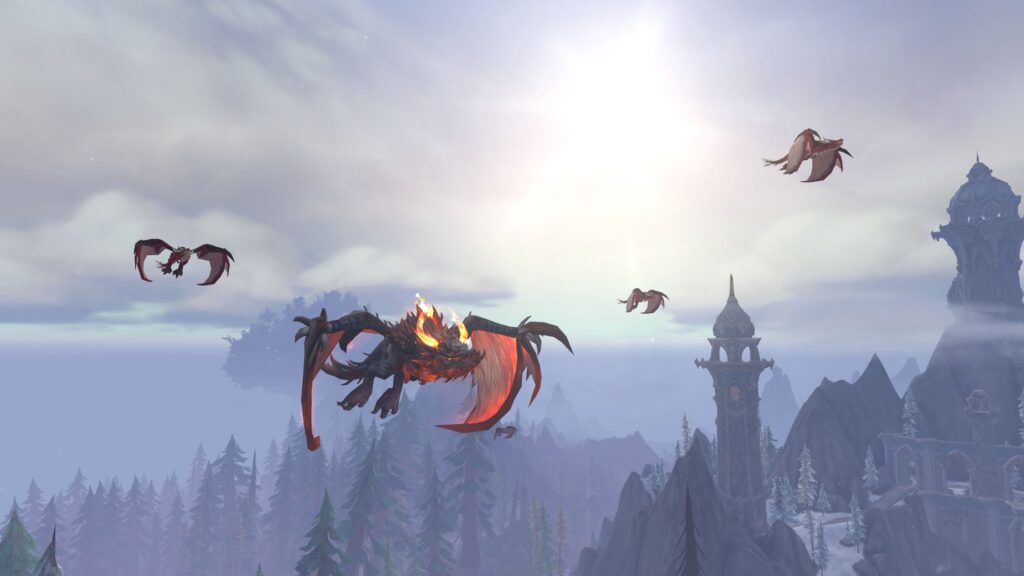
To help you navigate this new chapter, here’s a concise table highlighting key aspects of ‘The Age of Dragonflight’:
| Feature | Description |
|---|---|
| Dragon Riding | A new mode of transportation allowing unparalleled freedom in exploration. |
| New Zones | Explore vast and diverse lands, each with unique challenges and treasures. |
| Character Revamp | Enhanced customization options for your character’s appearance and abilities. |
| Crafting System | An overhauled system offering deeper and more meaningful crafting experiences. |
| Social Features | Improved systems to connect with friends and guildmates in more engaging ways. |
Dive into this expansion with an open mind and be ready to adjust. The dragons of Azeroth are calling for your aid, and it’s time you answered their call. Welcome to ‘The Age of Dragonflight’.
Frequently Asked Questions
How Have World of Warcraft Expansions Impacted the Game’s Subscription Numbers and Player Base Over the Years?
World of Warcraft expansions have generally boosted subscription numbers and expanded the player base, but there’ve been fluctuations. Each release typically brings players back, though interest can wane until the next big update hits.
What Are the Major Technical and Engine Updates That Have Been Introduced Alongside Wow Expansions?
Like upgrading an old car with new parts, WoW’s expansions have brought major technical and engine updates to enhance gameplay. You’ve seen graphics improvements, faster loading times, and more immersive environments with each new release.
How Has the Introduction of New Expansions Influenced the In-Game Economy and the Value of In-Game Currency?
When new expansions hit, you’ll see the in-game economy and currency value shift dramatically. It’s all about the fresh content and items, which can make gold values fluctuate and new markets emerge overnight.
In What Ways Have Expansions Reshaped the Competitive Landscape of World of Warcraft, Particularly in Pvp and Pve Rankings?
Each expansion’s like turning a new page in an ancient tome, reshaping WoW’s competitive scene. You’ve seen PvP and PvE landscapes shift, with rankings constantly evolving as strategies and character builds adapt to new challenges.
How Has the Storytelling and Narrative Approach Evolved Across Expansions, and What Impact Has This Had on Player Engagement and Community Building?
You’ve seen WoW’s storytelling deepen with each expansion, drawing you into its world. This evolution has boosted player engagement and fostered a stronger community, making every new chapter something you don’t want to miss.