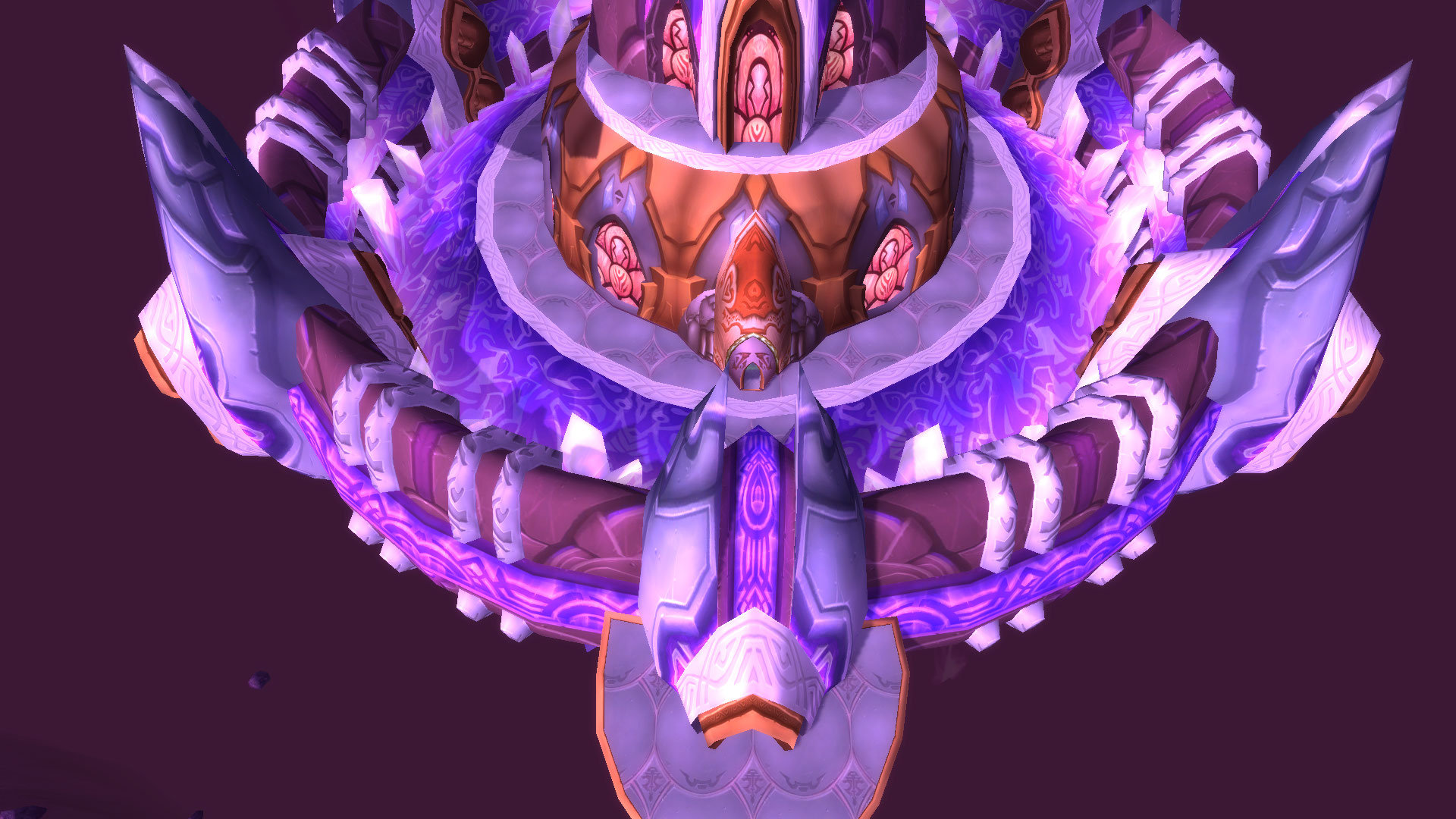
The Tempest Keep raid in World of Warcraft: The Burning Crusade (TBC) introduced a significant challenge for guilds, particularly the encounter with Kael’thas Sunstrider. This raid not only tested the limits of player skill and coordination but also exposed underlying issues within guild dynamics. Understanding the mechanics and the impact of this raid can shed light on why it became a notorious barrier for many guilds striving for progression.
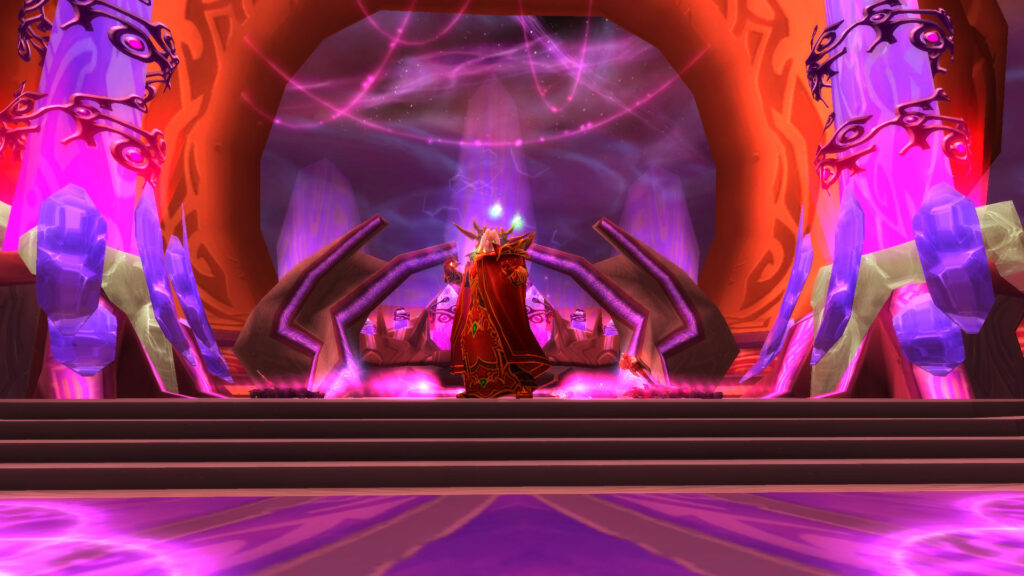
What made the Kael’thas encounter in Tempest Keep so challenging?
The Kael’thas encounter was challenging due to its complex mechanics, requiring precise coordination and execution from all raid members.
The Kael’thas fight is notorious for its multi-phase structure, each requiring different strategies and roles. Players must manage a variety of mechanics, including the need to interrupt spells, handle adds, and avoid environmental hazards. The encounter’s difficulty is compounded by the necessity for players to adapt quickly to changing conditions, which can lead to confusion and mistakes. Additionally, the fight’s high damage output means that even minor errors can result in wipes, creating a frustrating experience for guilds. This complexity often led to burnout among players, as repeated attempts without success could diminish morale.
- Understand the mechanics of each phase thoroughly before attempting the encounter.
- Assign specific roles to players to streamline execution during the fight.
- Practice communication to ensure all players are aware of their responsibilities.
- Utilize external tools or addons to track cooldowns and important mechanics.
What are the core mechanics of the Kael’thas fight?
The core mechanics of the Kael’thas fight involve managing multiple phases, adds, and environmental effects that require precise execution.
Kael’thas has several phases, each introducing new mechanics that players must contend with. In the first phase, players face Kael’thas directly while managing his abilities, such as Flame Strike and Arcane Explosion. As the fight progresses, Kael’thas summons adds, which require immediate attention to prevent overwhelming the raid. Players must also deal with the Phoenix, which can resurrect Kael’thas if not handled properly. The fight’s mechanics demand that players not only focus on their roles but also keep an eye on the overall raid environment, making it a true test of teamwork and skill.
Statistically, guilds that failed to adapt to the mechanics often faced significant setbacks. For example, the average wipe count on Kael’thas was reported to be upwards of 30 attempts before a successful kill, reflecting the steep learning curve. The need for precise timing in interrupting Kael’thas’s spellcasting and managing the adds meant that players had to be on their toes at all times. Furthermore, the fight’s design encouraged a high level of synergy among classes, making it essential for guilds to have a well-rounded roster to tackle the encounter effectively.
How can guilds effectively prepare for the Kael’thas encounter?
Guilds can prepare for the Kael’thas encounter by conducting thorough strategy sessions, practicing mechanics, and ensuring optimal class compositions.
Preparation for the Kael’thas encounter should start with a detailed analysis of the fight’s mechanics. Guild leaders should organize strategy meetings to discuss roles, responsibilities, and optimal positioning during the encounter. Additionally, conducting practice runs on earlier bosses in Tempest Keep can help guilds build synergy and improve overall coordination. It’s also crucial for players to familiarize themselves with their class abilities and how they can best contribute to the fight, whether through damage, healing, or crowd control.
What are the statistics surrounding guild progression on Kael’thas?
Statistics indicate that Kael’thas was a major roadblock for many guilds, with a high wipe count and significant attrition rates.
The following table summarizes key statistics related to guild progression on the Kael’thas encounter, highlighting the challenges faced by many teams.
| Statistic | Average Wipes | Guilds Progressing | Kill Rate |
|---|---|---|---|
| Kael’thas Encounter | 30+ | Less than 50% | 20% |
| Overall Tempest Keep | 15+ | 70% | 40% |
| Guild Attrition Rate | N/A | 30% | N/A |
What spatial strategies should guilds employ during the Kael’thas fight?
Spatial strategies are critical in the Kael’thas fight, as positioning can significantly affect the outcome of the encounter.
During the Kael’thas encounter, spatial awareness is paramount. Players must position themselves to avoid overlapping damage zones while ensuring they can react quickly to adds. Assigning specific areas for ranged and melee players can help mitigate the chaos of the fight. Additionally, understanding the mechanics of the Phoenix phase requires players to spread out to minimize damage from the Phoenix’s abilities, while still being close enough to assist with adds. This spatial strategy can make the difference between a successful encounter and a wipe.
What metrics should guilds track to optimize their Kael’thas attempts?
Tracking metrics such as damage output, healing efficiency, and ability usage can help guilds optimize their attempts on Kael’thas.
Guilds should utilize tools to track key performance indicators during the Kael’thas fight. Metrics such as damage per second (DPS), healing per second (HPS), and the number of interrupts successfully executed are crucial for understanding performance. Additionally, tracking the timing of ability usage can help identify areas for improvement. For example, if a significant number of wipes occur during a specific phase, analyzing the logs can reveal whether players are using their abilities optimally. This data-driven approach allows guilds to make informed decisions about strategy adjustments and player roles.
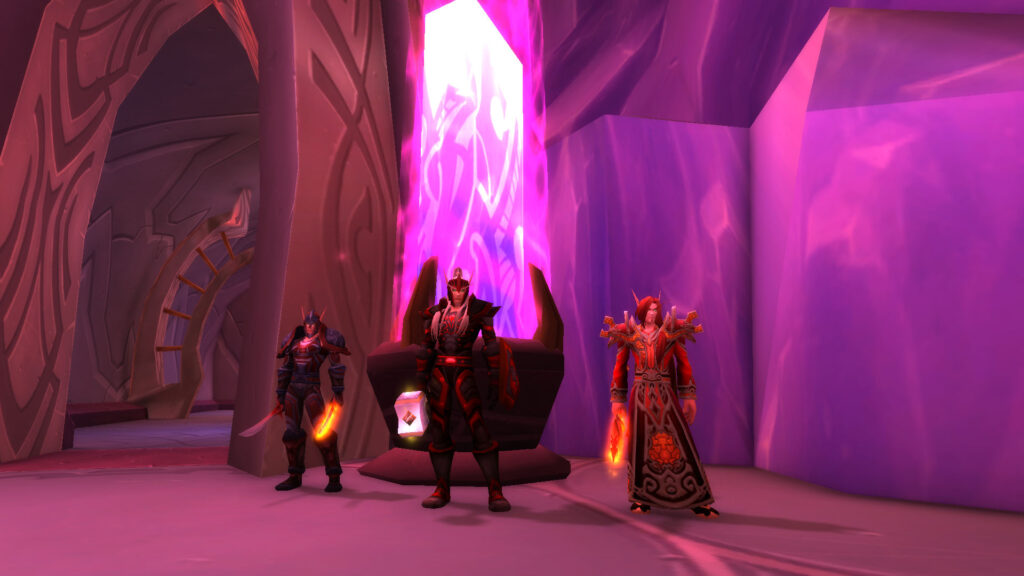
What expert tips can help guilds conquer the Kael’thas encounter?
Expert tips for defeating Kael’thas include thorough preparation, effective communication, and maintaining a positive mindset.
Guilds should focus on preparation by conducting extensive research on the encounter mechanics and developing a clear strategy. Effective communication during the fight is essential; utilizing voice chat can help coordinate interrupts and manage adds more efficiently. Additionally, maintaining a positive mindset is crucial, as repeated wipes can lead to frustration. Encouraging players to stay focused and learn from each attempt can foster a more resilient raid environment. Finally, consider adjusting the raid composition based on performance metrics to ensure optimal synergy among classes.
Frequently Asked Questions
Why did Kael’thas become a notorious encounter for guilds?
Kael’thas became notorious due to its complex mechanics and high damage output, which required precise coordination among raid members. Many guilds struggled with the multi-phase fight, leading to significant wipe counts and frustration.
What strategies can help with the Kael’thas encounter?
Strategies include assigning specific roles to players, practicing communication, and utilizing external tools to track mechanics. Understanding each phase’s mechanics is crucial for success.
How can guilds improve their chances of defeating Kael’thas?
Guilds can improve their chances by conducting thorough strategy sessions, practicing mechanics, and ensuring optimal class compositions. Regular practice and analysis of performance metrics can also help.
What are the common pitfalls during the Kael’thas fight?
Common pitfalls include poor spatial awareness, failure to manage adds effectively, and miscommunication among raid members. These issues can lead to wipes and hinder progression.